
Continental Europe houses about 15% of its students in purpose-built accommodation, against 32% in the UK. JLL has estimated that meeting core unmet demand by 2030 would take €466 billion of investment — roughly twenty-three times the historic annual total. The shortage is documented, the demand is demographic rather than speculative, and the buildings still are not there.
Sophie Brown's explanation for that is structural rather than mysterious: most institutional capital in the sector is mandated to buy stabilised, income-producing assets and prohibited from taking permitting risk. The gap that leaves — between owning land and owning a consented, built, income-producing scheme — is where she argues family capital has an advantage no institution can compete for, because the constraint is written into the mandate rather than the analysis.
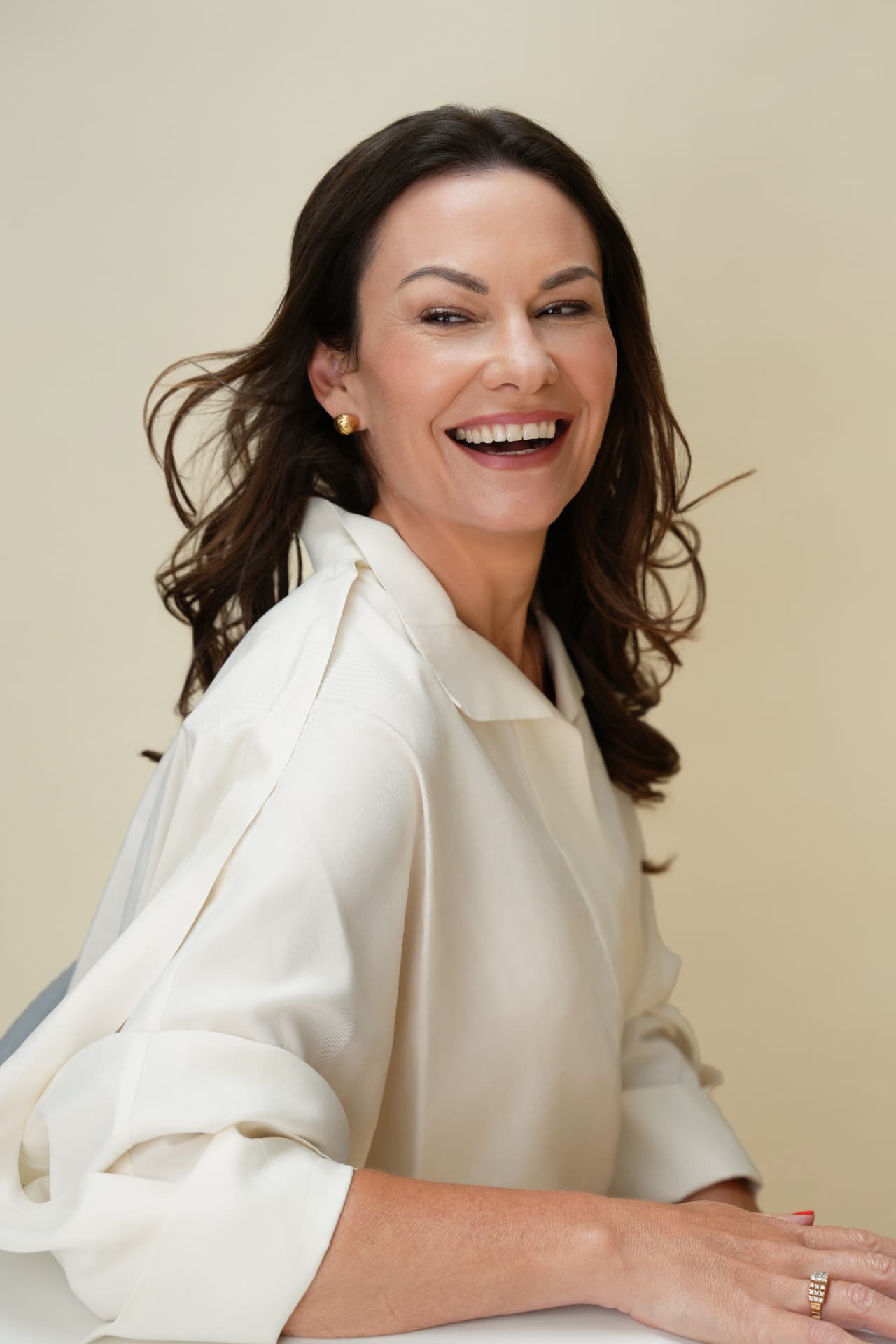
Brown is Head of Capital Relationships at Capital Assured – Private Family Office, a Dubai-based single family office and boutique real estate investment house built around purpose-built student accommodation, and at CASACASA, the pan-European PBSA platform Capital Assured co-founded with Enterprise Land and Rafael Viñoly Architects. She trained as a chartered accountant with PwC. Ahead of the UK Family Office Summit Oxford 2026, she describes the position in her own terms — including what she thinks families entering specialist real assets consistently underestimate.
Tell us about Capital Assured, CASACASA, and your role.
I trained as a Chartered Accountant with PwC in London, then spent the next two decades across M&A, debt and equity structuring, turnarounds and real estate investing. Today I lead capital relationships at Capital Assured – Private Family Office, a Dubai-based single family office and boutique real estate investment house built around the PBSA sector — run by our CEO, Nicholas Turner, and backed by Dominic Docherty, a technology and real estate entrepreneur. Since 2018, Capital Assured – Private Family Office has held a strategic alliance with Fusion Students in the UK, which has now over 8,000 beds delivered and in the pipeline. In 2024 we joined forces with Andrew Thornton’s Enterprise Land and Rafael Viñoly Architects to found CASACASA.
How would you describe your investment philosophy?
Look for structural mismatches the market isn’t moving fast enough to close, then put patient, specialist capital exactly where institutional mandates structurally cannot go. Most institutional PBSA capital wants stabilised, income-producing assets and their mandates prohibit taking permitting risk, similar to planning risk in the UK. That leaves a gap between land and institution, and the return premium concentrates precisely there, at the point a site becomes a consented scheme. I also think of governance and capital structure as the same discipline: get the vehicle right — for us, that means our fund is structured through a Jersey vehicle with a DIFC feeder, giving Gulf and Asian capital efficient, well-governed access — and the returns are much easier to defend to your investment committee.
Which sectors and themes are you most focused on, and where do you see opportunity over the next decade?
Pan-European PBSA, co-living and flexi-living, specifically. CASACASA is progressing a pipeline of 6,489 beds across six European university cities — Milan, Barcelona, Vienna, Berlin, Paris and Madrid at an early stage. The structural case is straightforward: the continental European PBSA provision rate averages just 15% against 32% in the UK, and JLL estimates meeting core unmet demand by 2030 would require €466 billion — twenty-three times the historic annual total. Institutional capital is already moving: AXA IM Alts has committed €1.3 billion to a pan-European strategy targeting a €3 billion platform by 2031. The opportunity over the next decade is being the specialist operator that can take a site from land to consent to institutional exit, at scale, across borders.
What’s the biggest challenge facing family offices and long-term investors today?
The permitting risk gap, in real assets specifically — institutional capital wants the income, not the development risk, so genuinely undersupplied categories like PBSA stay underbuilt even as demand is obvious and well documented. More broadly, family offices moving into newer real asset categories need real operating partners, not just capital — sourcing relationships, local planning knowledge, and a development team who has actually delivered the pipeline, not just modelled it.
"“The return premium sits exactly where institutional mandates can’t go. That’s the gap patient, specialist capital is built to fill.”"
How important are governance, succession planning and stewardship in preserving wealth across generations?
Central, and not just as a compliance function. Roughly $84 trillion in family wealth is expected to transfer across generations over the next two decades, yet women still lead only 15% of family offices globally — a governance gap I write and speak about regularly through WIFO. Good governance is a performance question as much as a values one: who is in the room, how the capital vehicle is structured, how conflicts are managed between co-sponsors. I bring the same discipline to teaching, through The Purposeful Founder — my course on building a business worth something — because stewardship starts well before the wealth exists to preserve.
How do you see technology and AI influencing the future of investing?
In real estate specifically, most PBSA operators at scale are retrofitting software written before AI existed. CASACASA has no legacy stack to defend — we’re building operations, administration, sales and student services on a single AI-native foundation from day one. AI belongs in the foundations, not the headline: it should make the platform learn as it scales, not serve as a marketing line on an investor deck.
What are you most looking forward to at the UK Family Office Summit Oxford this November?
I’m looking forward to the real assets and governance conversations in particular, and to continuing conversations with people like Andrew Thornton and Nicholas Turner on where pan-European real assets go next — the kind of closed-door, peer-level dialogue that led to CASACASA in the first place.
This article contains general information only and should not be construed as investment advice or a recommendation to invest. Investing involves risk, including possible loss of principal. Intended for sophisticated institutional and professional investors only.