
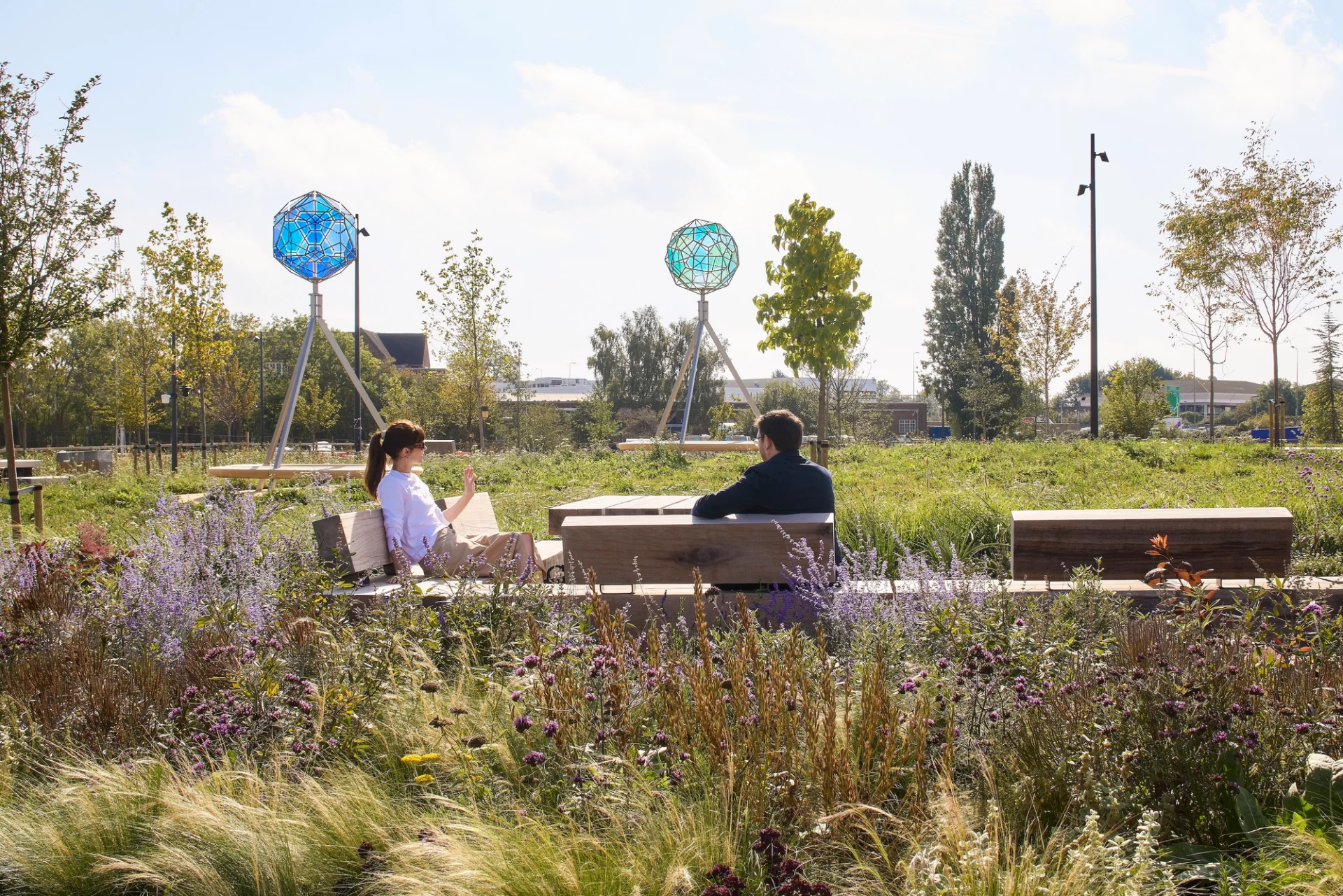
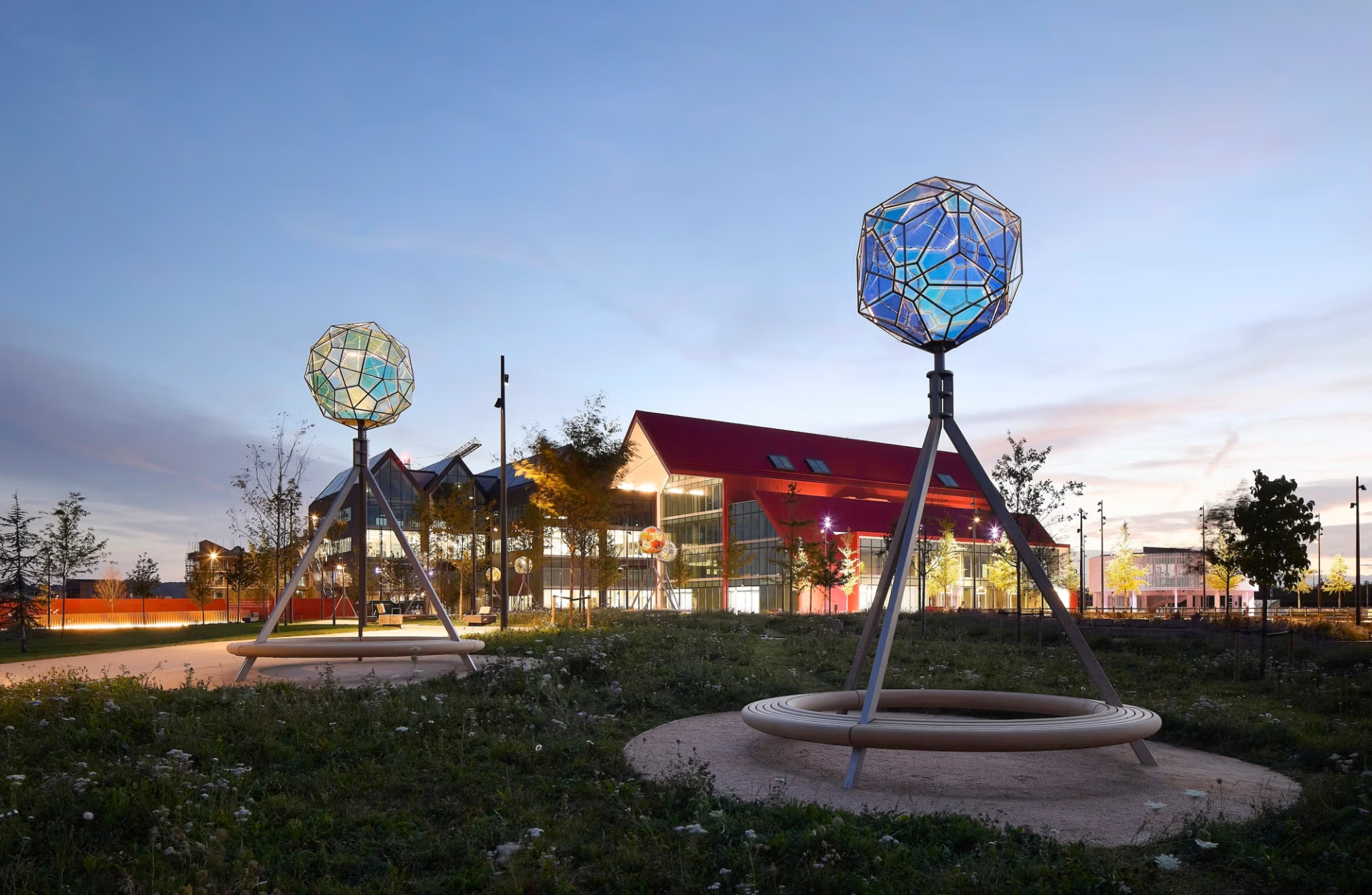
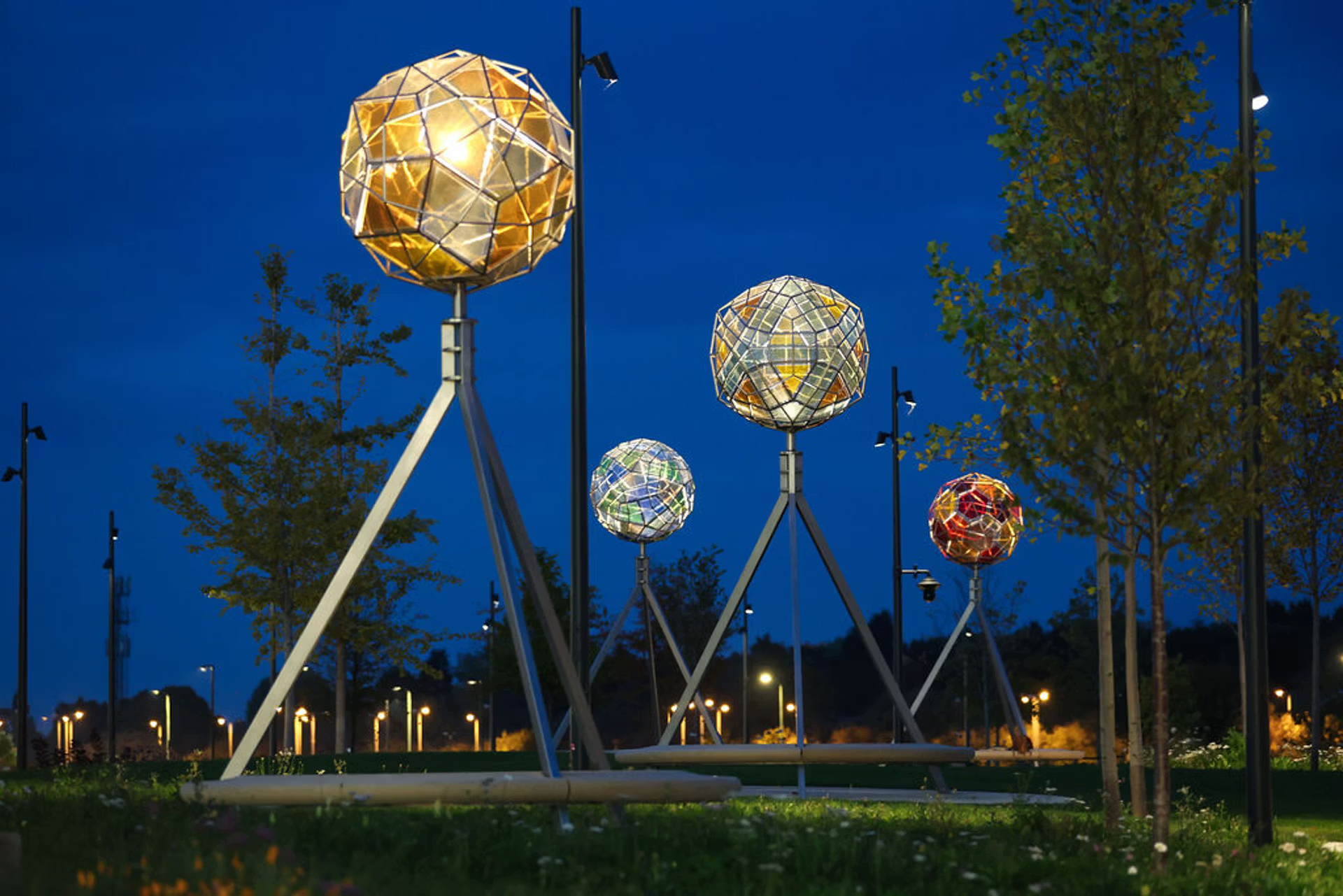
Whether it's the upcoming series of bronzes commemorating the unseen work of moths as pollinators at Canalside Park or the internationally celebrated artist, Olafur Eliasson's first permanent public project at Fallaize Park, the artwork we are delivering for Oxford North exists to both define a new public realm and reflect the long-held values of its commissioners.
Sometimes referred to as a 'Passion Asset' that carries with it a psychic, meditative return on investment, public art differs from collections held in gallery spaces. Art in public, when developed in a collegiate manner, encourages pride in shared spaces from a huge and diverse audience. This is a generous form of commissioning, sharing art and its embodied ideas with people outside the traditional gallery walls.
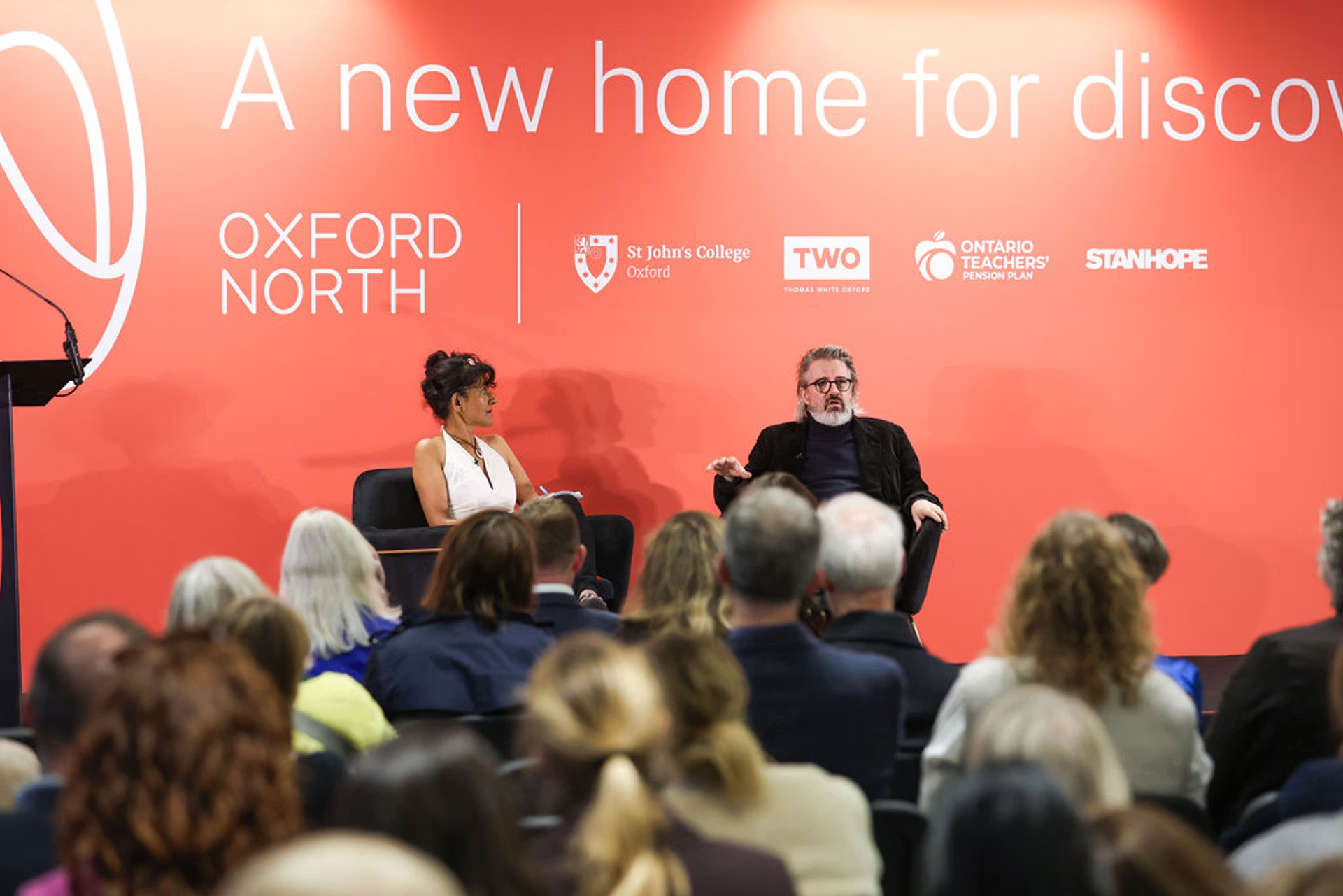
We started working together in 2022, devising a public art strategy for Oxford North. It quickly became apparent that we needed to include the voices of many people, if we were to deliver a programme that could speak to multiple stakeholders like local residents and community groups, as well as academics and arts and culture providers.
We established a public art steering group to help shape plans, devise briefs, interview artists and act as advocates for the scheme. This group, populated by representatives from the local Sixth Form, university academics, art galleries, the local authority and festivals, as well as the development team at Oxford North, has been instrumental in delivering artworks that are unique to this new innovation district.
Investment in this programme, £2.5 million to date, with a further £2.5 million to be invested as we move through the development's phases, is significant and ensures the highest possible quality of production for the enjoyment of many groups. The programme, critically, is not limited to permanent installations; it includes substantial investment in linked programmes of activity like performances and pop-ups that are delivered by existing Oxford arts and culture providers and are becoming part of the city's calendar of events.
Rewards for this way of working are immense — placeshaping that includes a variety of publics in its construction and dissemination; a sincere feeling of ownership amongst the communities who have been involved in the development of artworks; the forging of meaningful links across sectors and organisations that can be refined over multiple years and a sense of "I made that" for the many who have worked with us.
This is a new way of creating cultural legacy that aligns with previous art lovers' endeavours, particularly those who might once have elected to gift their private collections to public institutions. In line with a contemporary interest in democratising culture, commissioning public art programmes can benefit people and place both now, and in the future, delivering a sense of civic pride in our shared public spaces.
This article contains general information only and does not constitute investment, legal or financial advice. The views expressed are those of the author.