
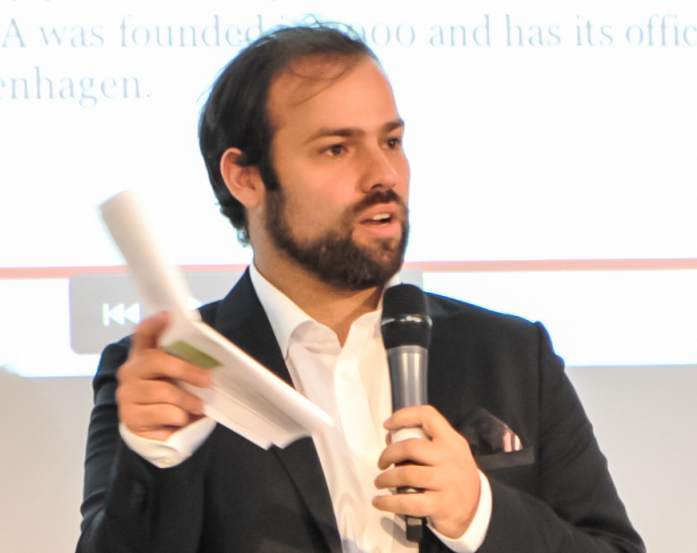
The standard defence of inherited wealth is arithmetic: hold the assets, control the drawdown, mitigate the tax, and the capital survives. Alex Felman thinks that arithmetic is usually wrong, because it is solving for the wrong variables. Tax and inflation, in his account, are not what empties a family balance sheet. Households multiply and spending rises to meet what is available; a portfolio managed only to be defended eventually loses to the number of people depending on it.
He speaks from inside the problem. Felman is a second-generation member of Felman Family Office, established by his father around 25 years ago and run entirely by family members, where he heads the European office and the technology investment activity across direct positions and funds. He is also writing a book on how family office structures need to change for the generations that will inherit them. Ahead of UK Family Office Summit Oxford 2026, he set out how his own family invests and why he thinks preservation, on its own, is a losing strategy.
Please introduce yourself, your family office and your role.
I am a second-generation member of Felman Family Office. The family office was created roughly 25 years ago by my father, and is entirely run and operated by family members. It uses fairly standard private wealth management strategies — real estate, ETFs, indices and public stocks — combined with a co-investment ability for the family’s multi-family office, MSF Capital Advisors.
I am the Head of the European office as well as Head of Tech investments, both direct and in funds.
How would you describe your long-term investment philosophy, and what principles guide your capital allocation decisions?
We are extremely disciplined investors, maintaining a minimum time horizon of 7–10 years. At any given moment we focus strictly on a few investment themes that we feel will still be relevant areas after 7–10 years, and where we feel we can properly evaluate the business; once we invest in a company, we hold it until exit.
In that sense we are almost investors in the purest sense of the word. We invest in what we deem to be good businesses with the objective of holding them long-term. We are not trading or speculating.
Which asset classes, sectors or investment themes are you most focused on today, and where do you see the greatest opportunities over the next decade?
Within the technology investment areas I manage, we focus on three main areas: biotech and healthcare, food and agriculture, and energy.
One thing that I believe is that the past 30 years or so have seen one of the biggest bull runs in history in companies centred around bits — the digital world. I think the next 30 years will see a similar run in atoms: things that affect the physical world, which, beyond the sectors I have mentioned, also includes areas such as robotics and defence.
What do you believe is the biggest challenge currently facing family offices and long-term investors?
I am particularly concerned with generational succession issues. I think that this often has less to do with investment strategies than the transfer of things like values and principles.
I think many wealth preservation strategies do not actually work; they are just strategies to go broke more slowly because they solve the wrong problems, like taxes and inflation.
The bigger reasons families go broke are lifestyle inflation and family expansion exceeding wealth growth. In my opinion families need to stay in wealth creation mode to survive.
"“In my opinion families need to stay in wealth creation mode to survive.”"
How important are governance, succession planning and stewardship in preserving wealth across generations?
As above — I think succession planning is extremely important, which is unfortunate, because most families fail to put these things into action.
I am currently writing a book on the topic, centred on how family office structures are evolving, and how they need to evolve in order to integrate the needs of the world that future generations will live in.
How do you see technology and artificial intelligence influencing the future of investing?
I think the biggest thing that technology and AI will change about the future of investing is that they will further democratise access to different opportunities.
Currently, most investments still tend to be made locally or regionally because an information gap often leads to a trust gap the further an opportunity is from the investor. AI and technology will close these gaps because they can help find information anywhere in the world.
This will lead to a truly global marketplace of opportunities, likely resulting in what you are seeing in many other parts of the economy — a bifurcation of either the Class A reputation opportunities or the truly new and innovative experimental opportunities.
The average opportunity (the opportunity middle class) will disappear. Overall, I think this is a good thing as you will have a much tighter investor opportunity match.
What are you most looking forward to discussing or learning at the UK Family Office Summit Oxford this November?
I am looking forward to meeting and trading notes with peers. In particular, about what does it mean to run a family office in the digital era.
This article contains general information only and should not be construed as investment advice or a recommendation to invest. Investing involves risk, including possible loss of principal. Intended for sophisticated institutional and professional investors only.