

For most young adults, university is the first home of their own. CASACASA is developing a new generation of student residences in the world's leading university cities, beginning with Miami and Madrid, built on a simple conviction: the real gap is not supply alone, but quality, experience and purpose.
A mature asset class, an unfinished product
Student accommodation has become an established institutional asset class. Members of the CASACASA team were there from the beginning of the UK's modern purpose-built student accommodation market, and saw how better design, operations and lifestyle transform both the student experience and the performance of a building.
For CASACASA, the UK is a source of experience rather than a target market. The opportunity lies in leading international cities where student demand is substantial, but where both the amount and the type of purpose-built accommodation have yet to catch up.
Belonging by design
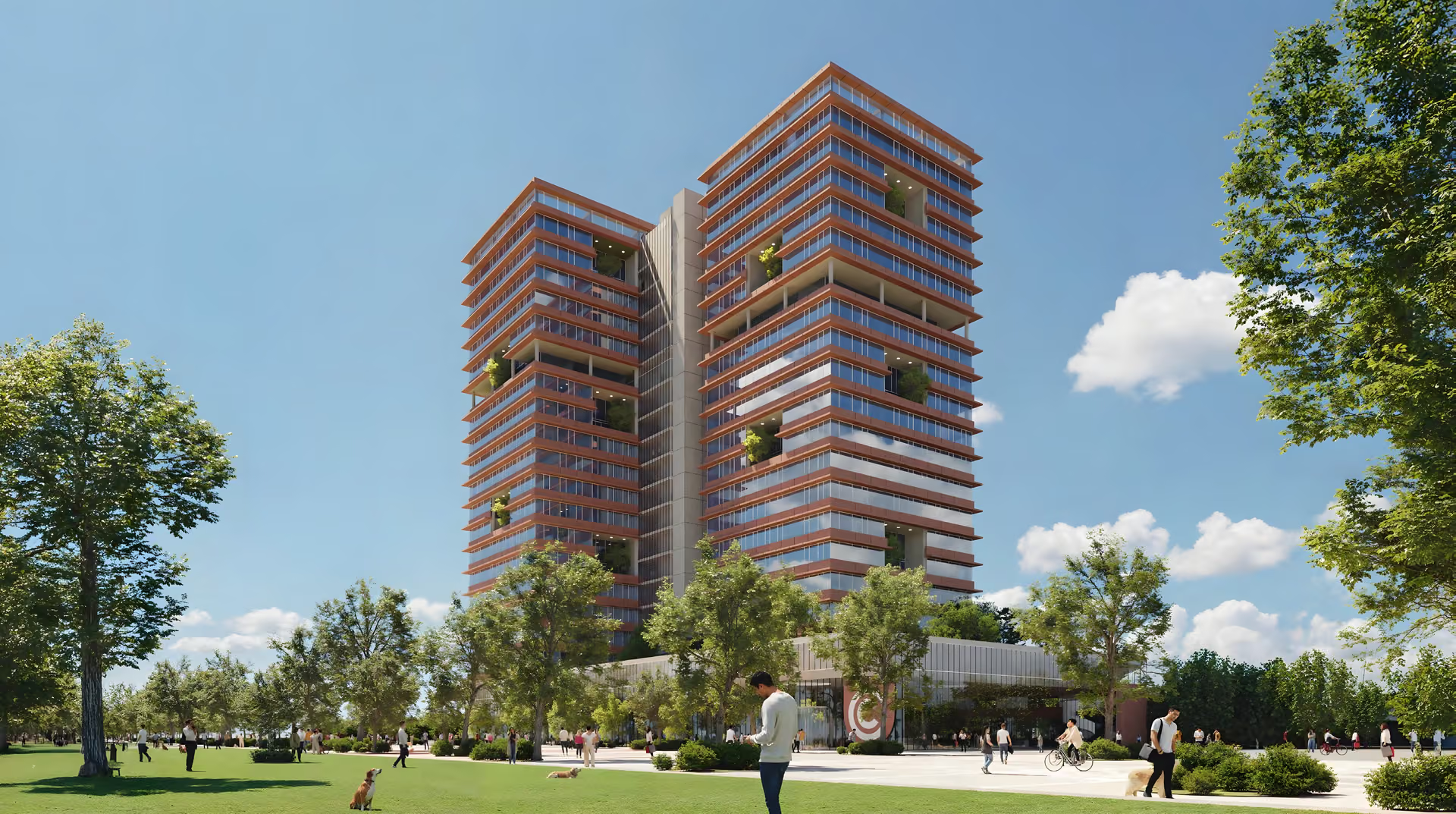
CASACASA's vision is to develop, own and operate student residences that start with how students actually want to live. Its founding insight is architectural: community cannot be programmed, but it can be enabled.
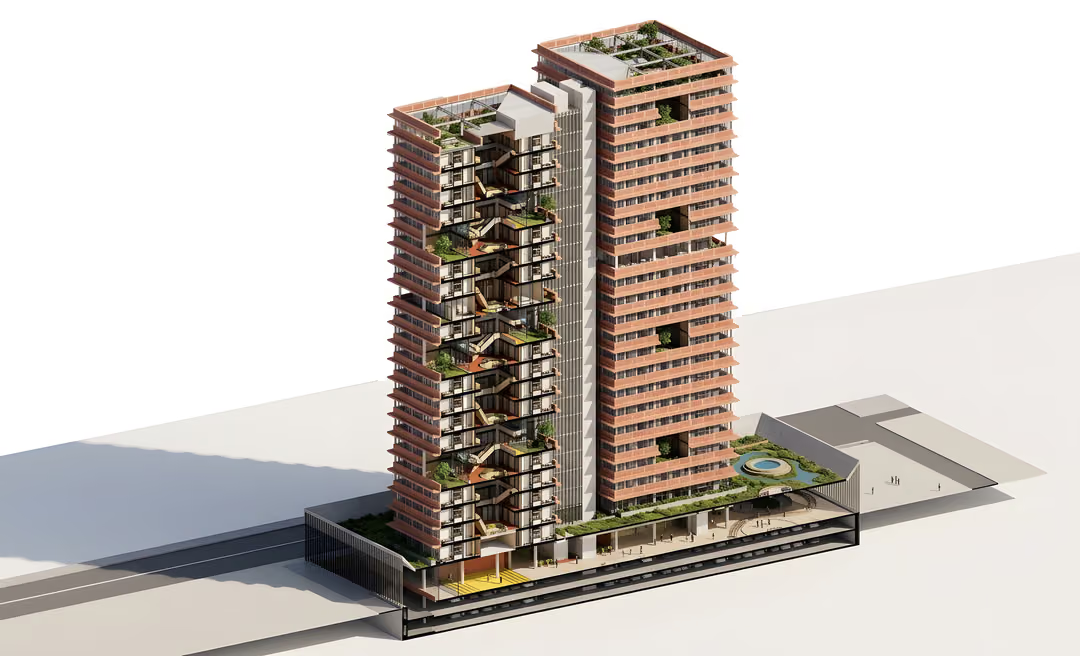
Rather than long corridors of identical rooms, CASACASA organises each building around three ideas.
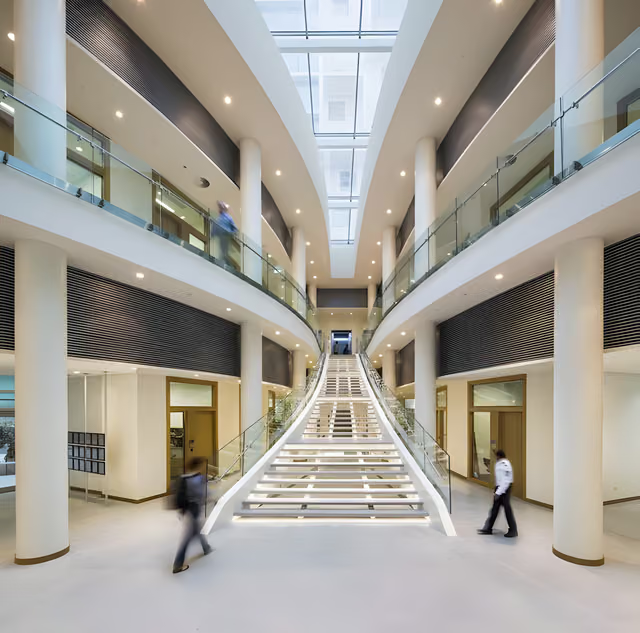
The Grove. On arrival, residents step into a calm, planted space centred on a mature tree and running water, with concierge, café, gym and lounges around it.
The Neighbourhoods. Each building is organised into clusters of forty to sixty residents: small enough to know everyone, large enough not to feel confined.
The Commons. Space conventionally lost to corridors becomes a generous double- or triple-height living room at the heart of each Neighbourhood, with daylight, terraces, a full kitchen and room to study or host a dinner.
The student rooms. Each student's own room follows the same philosophy: compact rather than cramped, with a wall-to-wall window, a kitchenette and a full-width desk designed for study, rest and focus.
A membership, not a lease
CASACASA is conceived as a community rather than a tenancy. Membership continues beyond graduation, creating a lifelong network for introductions, careers and stays at CASACASA residences elsewhere.
Operated with purpose
Most operators are adapting systems built before artificial intelligence. CASACASA has no legacy to retrofit: its platform is being built from scratch as a single AI-native system, with one app for residents and one source of truth across the portfolio.
Tier-one cities: Miami and Madrid
CASACASA concentrates on tier-one university cities wherever student demand is strongest. Its immediate focus is Miami and Madrid, where demand far outstrips purpose-built supply and much of what exists is the wrong type.
Miami. Miami combines large, internationally diverse universities with one of America's tightest housing markets. Florida International University alone has more than 54,000 students from over 130 countries, yet even after its latest expansion its own housing will hold fewer than 5,000 beds, and Miami Dade College, with more than 48,000 students, has no on-campus residences. Demand is set to grow further: in September 2026, Ken Griffin gave Carnegie Mellon University $3 billion, the largest single gift ever made to an American university, including $2 billion for a new 35-acre campus in Miami's Wynwood district expected to host more than 3,500 students. Yet much new supply remains conventional apartments, not housing designed for students.
Madrid. In Spain, one of Europe's largest student housing markets, purpose-built beds serve only around 7% of students, compared with roughly 31% in the UK. Savills estimates some 650,000 Spanish students need accommodation, against around 119,000 purpose-built beds. Madrid, the country's largest university city, sits at the centre of that gap, while a national rental shortage leaves many students competing for flat-shares. A 2025 Royal Decree now ties university growth to the provision of student housing.
CASACASA expects to bring forward its first proposition in the near term.
Architecture at the heart of the platform
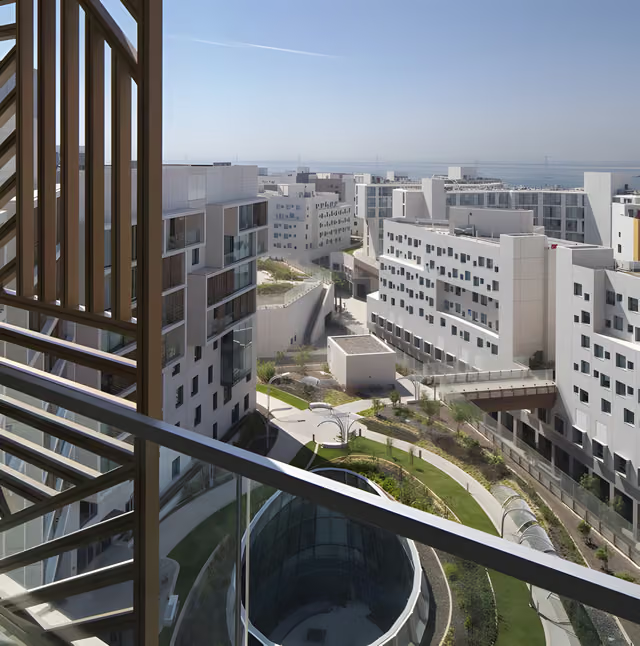
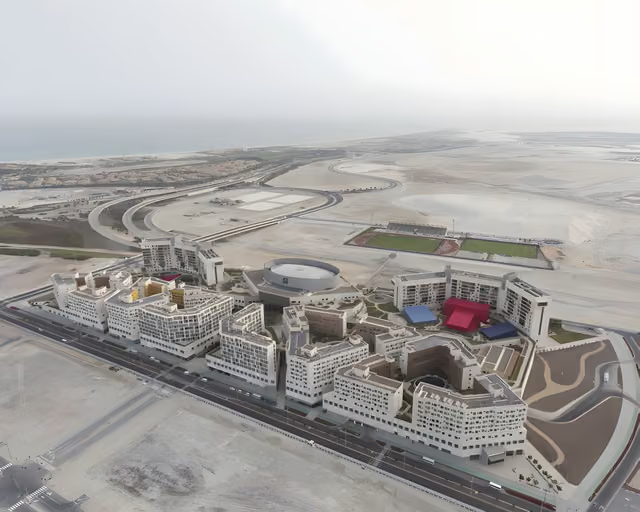
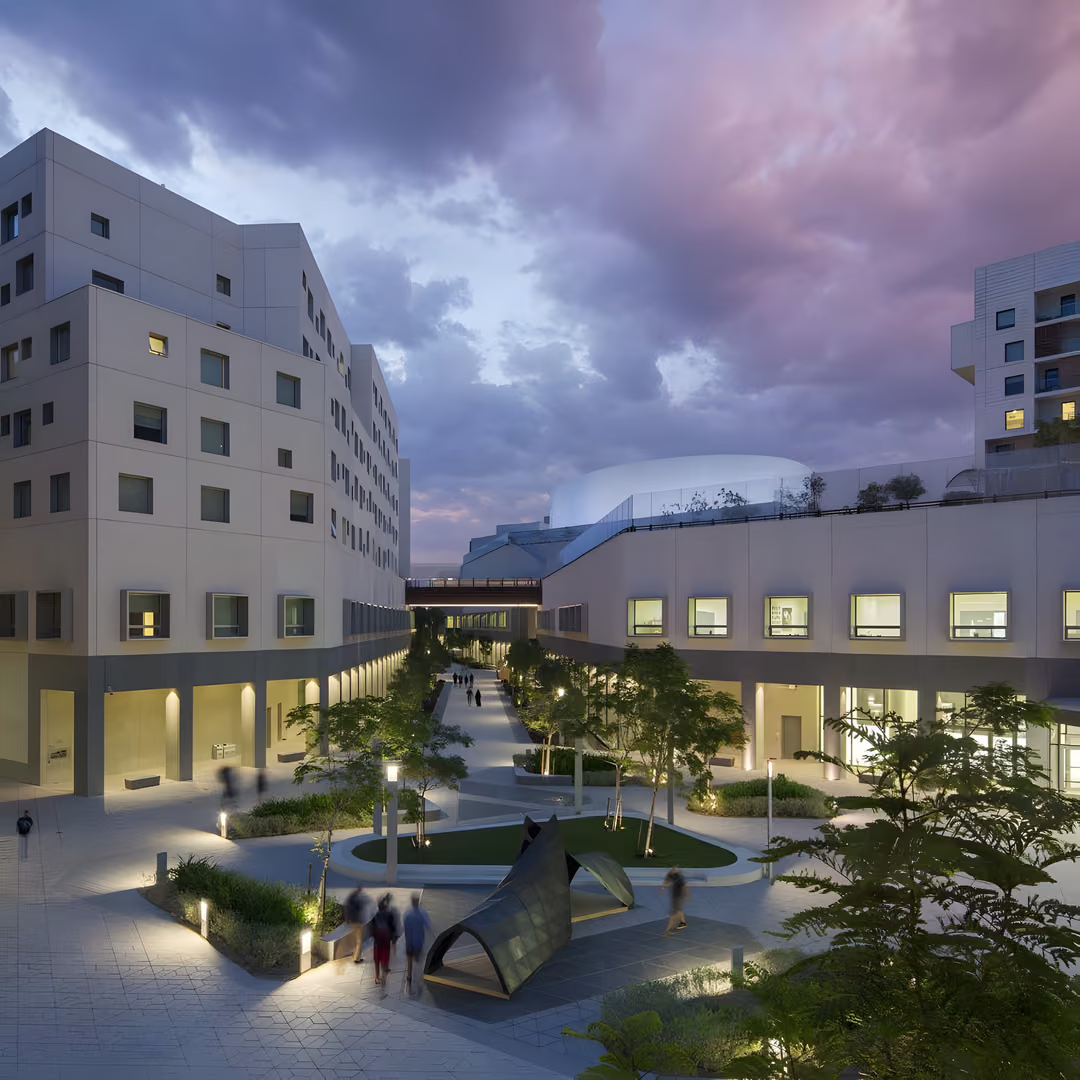
Rafael Viñoly Architects is a partner in CASACASA. The practice's educational work includes projects for Oxford, Stanford, Manchester and Wageningen universities and the 29-building New York University Abu Dhabi campus.
"CASACASA matters to me because architecture can shape how young people experience independence for the first time, and this is a rare opportunity to do that with care, intelligence, and purpose," says Román Viñoly.
The team
- Román Viñoly, Partner at Rafael Viñoly Architects, leads the practice's relationship with CASACASA. His experience spans design, strategy, entrepreneurship and real estate development, including educational architecture and international projects, and he has primary responsibility for the practice's growth.
- Andrew Thornton leads Strategic Real Estate and Investment. He is Founder and Chief Executive of Enterprise Land, and previously held senior real estate roles at Invesco and Principal Asset Management.
- Warren Rosenberg, Specialist PBSA Adviser, co-founded Fusion Students, now one of the UK's leading privately owned developer-operators of premium student accommodation. His experience spans the entire life of a student housing asset: site acquisition, due diligence and funding, through design, development and construction, to joint ventures and building an in-house operating platform.
- Nicholas Turner, Partner, is Chief Executive of Capital Assured, a single-family office and student housing specialist.
- Marco Ortiz, Managing Director EMEA at Rafael Viñoly Architects, brings more than 25 years of architectural leadership across complex global projects.
- Santiago Conway of Conway Partners leads branding, bringing global brand and real estate marketing expertise.
- Sophie Brown is Head of Capital Relationships.
Looking ahead
CASACASA's priority is disciplined delivery: exceptional sites, leading cities and exceptional people, with one ambition: to raise the standard of student living.